Cookies help us deliver our services. By using our services, you agree to our use of cookies.
From the same producer
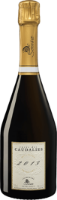
Champagne Cuvée des Caudalies Grand Cru
This exceptional red Champagne from the De Sousa family reveals the soul of a passionate winemaker who honours tradition and terroir. Crafted with precision and care, it offers a deep ruby colour and aromas of ripe red fruits, subtle spices, and a delicate mineral touch. Each sip is lively, elegant, and perfectly balanced, leaving a long, silky finish that lingers with charm. Enjoy it slightly chilled, around 10–12°C, to reveal all its finesse. It’s the perfect bottle to elevate a special dinner or surprise your guests with something truly memorable and refined.
66.64 € incl tax
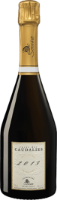
Champagne Cuvée des Caudalies Le Mesnil Grand Cru
This exceptional sparkling wine from the De Sousa family reveals all the elegance of a Grand Cru Champagne crafted with passion and precision. Born from old vines and biodynamic farming, it offers delicate bubbles, notes of ripe fruit, toasted brioche, and a subtle mineral touch. Each sip reflects the savoir-faire passed down through generations, blending freshness and depth with remarkable finesse. Perfect for celebrating life’s finest moments, it shines alongside seafood or simply on its own. Serve it chilled between 8 and 10°C to fully enjoy its refined character and lingering finish.
172.55 € incl tax
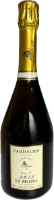
Champagne Cuvée des Caudalies Le Mesnil Les Chetillons Grand Cru Extra
Imagine a champagne born from old vines rooted in the chalky soils of Le Mesnil-sur-Oger, one of the Côte des Blancs' most revered Grand Cru villages. The De Sousa family farms biodynamically here, tending parcels in Les Chétillons with real devotion, picking by hand and letting the fruit speak. Fermented and aged in oak barrels, then rested for years on lees, this blanc de blancs shows you what patience does: a fine, creamy mousse, aromas of citrus zest, white flowers, toasted brioche and crushed stone. The finish is long, saline and beautifully taut. A collector's bottle you'll want to share slowly.
179.69 € incl tax
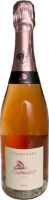
Champagne Rosé Bio
Picture a family estate in Avize, deep in the Côte des Blancs, where biodynamic farming has been a way of life for decades. The De Sousa family works old vines by hand, ploughs with horses and lets the chalky soils speak for themselves. This pink fizz blends creamy Chardonnay with a touch of red Pinot for colour and depth, giving you wild strawberry, blood orange and a hint of toasted brioche. The bubbles are fine, the finish is bright and chalky, and there's real purity here. Lovely with grilled prawns, summer berries, or simply poured for no reason at all.
44.62 € incl tax
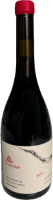
Coteaux Champenois Grand Cru bio
This elegant organic red from 2022 reveals the unique savoir-faire of Champagne De Sousa, a family-run estate known for its deep respect for nature and precise craftsmanship. Grown on Grand Cru terroir, it offers a refined balance between freshness and silky texture, with notes of ripe red berries and subtle spice. Each sip reflects the purity of the soil and the care taken in every stage of production. Enjoy it slightly chilled, ideally around 14–16°C, to let its aromas fully unfold and experience a rare expression of Champagne’s still red wine tradition.
73.78 € incl tax
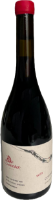
Coteaux Champenois Grand Cru bio
This elegant organic red from 2022 reveals the unique character of a Grand Cru vineyard crafted by Champagne De Sousa, a family estate known for its deep respect for nature and traditional savoir-faire. Each sip offers a silky texture, notes of ripe red fruits, and a subtle minerality that speaks of its chalky terroir. It’s the kind of wine you want to share during a cosy dinner or savour quietly on its own. Serve it slightly cool, around 14–16°C, to let all its freshness and finesse unfold beautifully in your glass.
77.35 € incl tax
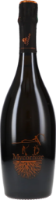
Mycorhize Grand Cru
This exceptional red Champagne from the 2020 vintage reveals the artistry of Champagne De Sousa, a family estate celebrated for its biodynamic approach and deep respect for the land. Expect a refined balance of ripe red fruits, subtle spice, and silky texture, expressing both elegance and energy. Each sip tells the story of meticulous craftsmanship and natural harmony. Serve it slightly chilled, ideally around 10–12°C, to let its aromas bloom fully. It’s a wine that invites you to slow down, savour the moment, and share a toast to authenticity and pleasure.
73.78 € incl tax
In the same corner
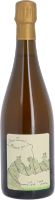
Champagne Art Terre
Meet a grower Champagne from Chamery, in the Montagne de Reims, where Thomas Perseval works his family vines with real care — organic practices, low yields and a light touch in the cellar. Meunier takes the lead here, grown on chalky, clay-rich slopes that give the wine its gentle roundness and quiet depth. Fermentation happens with indigenous yeasts, part in oak, and dosage stays low so the fruit and the soil do the talking. Expect ripe orchard fruit, warm brioche, a chalky finish and fine, creamy bubbles. Lovely with roast chicken, soft cheeses, or simply poured on its own.
64.26 € incl tax
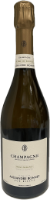
Champagne Blanc de Blancs
Straight from the Côte des Bar in the southern Champagne, this is pure Chardonnay grown on clay-limestone slopes by a house that has been farming its own vines in Les Riceys for generations. Everything is organic-minded, picked by hand and pressed gently, then vinified with real care to keep the fruit bright and the bubbles fine. You get citrus zest, white peach and a touch of toasted brioche, with a chalky freshness that keeps you coming back for another sip. Serve it chilled as an aperitif, or alongside oysters, goat's cheese or a simple roast chicken. Elegant, lively and seriously easy to love.
51.76 € incl tax
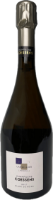
Champagne Blanc de Noirs Brut Largillier
Grown on a single south-facing slope in Ville-sur-Arce, deep in the Côte des Bar, this is Pinot Noir in its purest form. Jérôme Coessens works one plot, one grape, one vintage at a time — and you can taste that focus. The Kimmeridgian limestone gives real tension, while the chalky clay brings weight and texture. Expect ripe red berries, baked apple and a gentle brioche warmth, all carried by a fine, persistent bead. Fermented with patience and aged on lees to build depth, it's bone-dry yet generous. Perfect with roast poultry, soft cheeses, or simply poured for people you like.
58.90 € incl tax
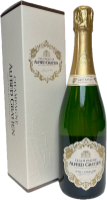
Champagne Brut Nature étui
Imagine a champagne with nothing to hide: no dosage, no added sugar, just pure fruit and chalky freshness. Crafted by a house that has stayed loyal to fermentation in small oak casks since 1864, it carries a lovely toasty depth alongside bright citrus, white flowers and a hint of green apple. The blend draws on Chardonnay, Pinot Noir and Meunier from classic Champagne slopes, then rests patiently on its lees to build texture and finesse. Bone-dry yet generous, it's brilliant with oysters, sushi or simply on its own. Comes in a smart gift box, so it's ready to impress straight away.
37.48 € incl tax
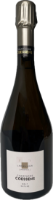
Champagne Brut Nature Largillier
From a single hillside in Ville-sur-Arce, in the Côte des Bar, this is Pinot Noir in its purest form. Jérôme Coessens works one remarkable parcel, planted on Kimmeridgian marl and limestone, and lets the place do the talking — no blending across sites, no dosage, nothing to hide behind. You'll find ripe orchard fruit, wild strawberry, a whisper of brioche and a chalky, saline finish that keeps you coming back. Fermentation is gentle, ageing on lees is long, and the result feels honest and alive. Pour it with seafood, roast poultry, or simply on its own when you want something genuinely special.
67.24 € incl tax